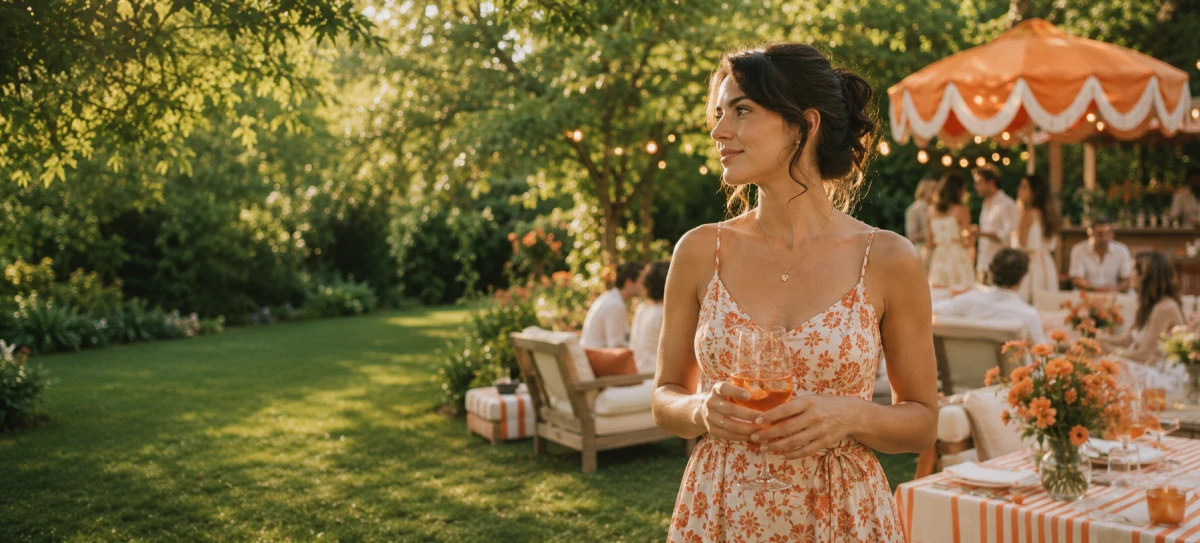
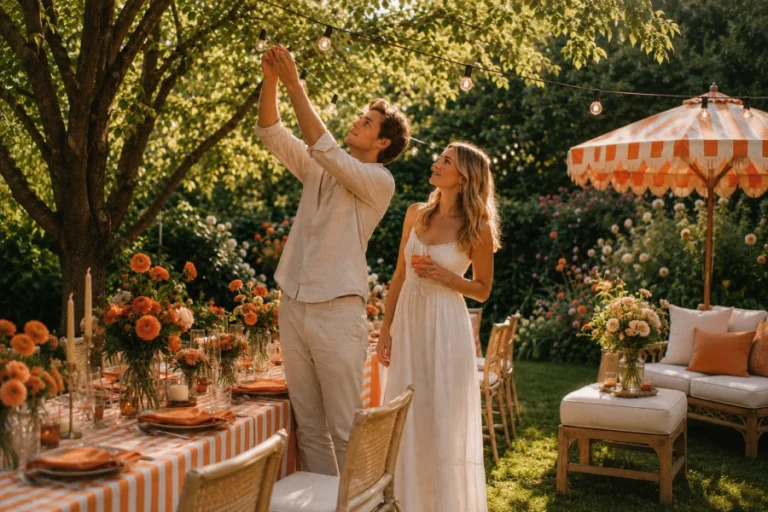
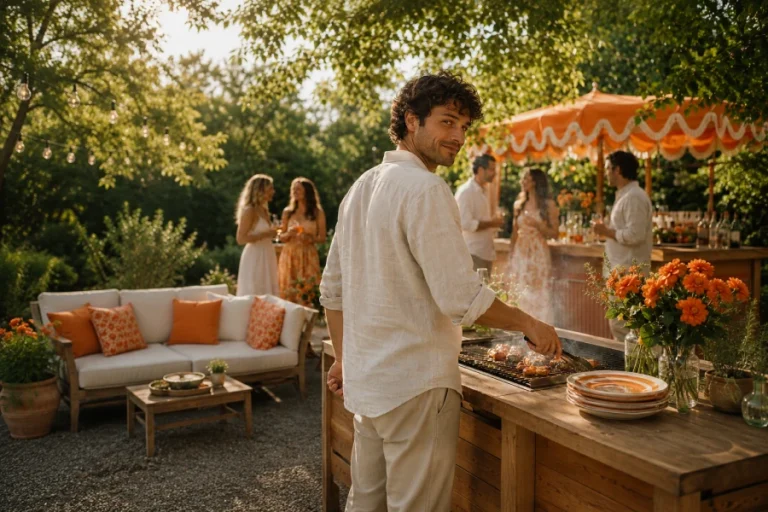
Outdoor String Light Styling works best when the host treats the outdoor space as an experience, not simply an area where people happen to gather. The practical details matter because a yard can look festive at dusk but feel flat, shadowy, or awkward later when decorative brightness never becomes true atmosphere. A stronger approach connects warmth, string placement, bulb spacing, lantern clusters, ground-level glow, safe power, steps, and after-dark comfort before the day becomes busy and reactive. That connection helps the host make choices that support movement, comfort, safety, and mood at the same time. Instead of adding more decorations or supplies, the better question asks how each decision helps guests understand where to go and what to do next.
Why Outdoor String Light Styling Needs One Clear Purpose
The first step is deciding what the gathering needs to accomplish, because every later detail should answer that purpose clearly. A evening lighting resource can help organize overhead lines, boundary lights, lantern groups, table glow, walkway safety, power sources, weather checks, and end-of-night storage into a structure that feels manageable before guests arrive. This early planning stage should separate essentials from extras, since outdoor parties often become complicated when every nice idea receives equal priority. Once the host knows which zones or actions matter most, the setup can support the gathering instead of competing with it. That clarity makes the event feel more relaxed because the environment starts doing part of the hosting work.
How Outdoor String Light Styling Turns Space Into Flow
Guest experience begins at the moment people enter, so the earliest choices should make movement, welcome, and orientation feel natural. For hosts planning evening dinners, garden drinks, backyard birthdays, relaxed celebrations, and after-dark conversation spaces, this means thinking through arrival, first impressions, comfort points, and the routes people will use repeatedly. A beautiful detail loses impact when guests cannot find water, shade, seating, or a safe path after sunset. The strongest hosts design from the guest’s eye level, noticing what feels obvious and what requires unnecessary explanation. When those practical cues are handled with care, even a simple backyard begins to feel more considered.
Start With the Decisions Guests Will Feel First
Flexibility matters because outdoor conditions can change quickly, especially when weather, daylight, food timing, and guest energy shift during the event. Using a layered glow system gives the host a way to adjust without rebuilding the entire celebration under pressure. The plan should include a few decisions that can move, simplify, or compress if the day takes an unexpected turn. That might mean backup seating, a shorter activity window, a moved food station, or a lighting adjustment as evening settles in. A flexible plan feels polished because it absorbs small problems before they become visible disruptions.
Making Outdoor String Light Styling Easier to Adjust
The most common mistake is prioritizing brightness over warmth and forgetting that guests also need visible paths, safe steps, and flattering light near gathering zones. Hosts often notice that problem only after guests have already developed patterns that are hard to redirect. Comfort deserves the same attention as style because people remember whether they could sit, talk, move, eat, and stay warm or cool. Useful comfort cues include clear surfaces, visible water, shaded options, accessible trash, safe lighting, and seating arranged for actual conversation. When comfort stays visible, the gathering feels generous without requiring the host to solve every need individually.
Keep Comfort Visible Throughout the Event
After the party, the strongest planning method becomes easier to repeat because the host can see what worked and what created friction. A lantern styling support helps capture those lessons while the details remain fresh, rather than starting from zero before the next event. The review should note which zones stayed busy, which supplies ran out, which paths felt crowded, and which details guests naturally used. Those observations can turn one successful party into a practical hosting method for future gatherings. Over time, the host builds confidence because preparation becomes less about guessing and more about refining a system.
Using Outdoor String Light Styling as a Repeatable Hosting Asset
A memorable outdoor event rarely depends on one dramatic feature, because guests respond to the combined effect of thoughtful details. The best gatherings make movement feel intuitive, conversation feel easy, and practical support feel present without becoming the center of attention. That balance gives the host a calmer role during the party, since fewer decisions need to happen in front of guests. Good outdoor lighting works quietly, letting the yard feel welcoming while every practical route remains easy to read. With the right structure, the backyard becomes more than a backdrop; it becomes a quiet partner in the way the celebration unfolds. That quieter preparation often gives the celebration a more polished feeling without making the setup seem formal.